
Bayram VARDAR
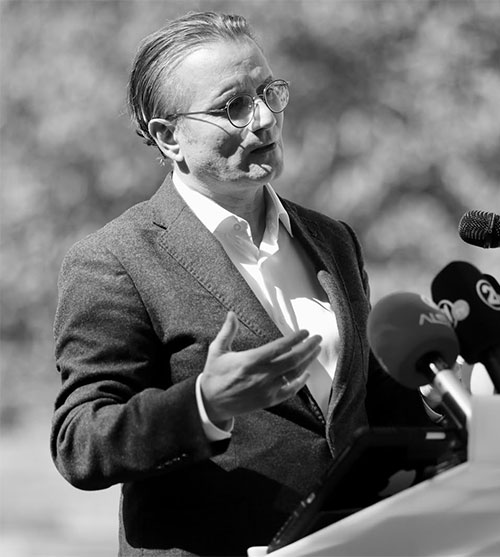
Bayram
VARDAR
Architect · Urban Planner · Founder
BAYRAM VARDAR
Urban Planner (Istanbul Technical University, ITU)
Professional Experience and Work in Historic Environment Conservation
Bayram Vardar graduated from the Department of Urban and Regional Planning, Faculty of Architecture, Istanbul Technical University (ITU), and began his professional career as an urban planner at Istanbul Metropolitan Municipality, Türkiye’s largest local government institution. During this period, he gained professional experience in planning and conservation initiatives in urban areas that define Istanbul’s historical and cultural identity, particularly the historic settlement patterns and designated natural conservation areas of Sarıyer district. This experience enabled him to examine the principles of conservation, use, and sustainability within the discipline of urban planning at the level of practical implementation.
Following his work at Istanbul Metropolitan Municipality, he served for approximately six years as Director of Public Works at Gürsu Municipality in Bursa. In this capacity, he assumed administrative and technical responsibilities in urban infrastructure, the management of technical services, local spatial development, and the planning and implementation of municipal investments.
He subsequently served for five years as Deputy Mayor for Technical Affairs at Osmangazi Municipality in Bursa. During his tenure in Osmangazi, a district encompassing Bursa’s historic city centre and significant cultural heritage sites in one of the early capitals of the Ottoman Empire, he played an active technical and managerial role in numerous projects concerning historic environment conservation, the restoration of cultural assets, and the reintegration of historic buildings into contemporary urban life.
Within this scope:
TECHNICAL AND ADMINISTRATIVE WORK DURING THE UNESCO WORLD HERITAGE PROCESS
Bursa and Cumalıkızık: The Birth of the Ottoman Empire – Inscription on the UNESCO World Heritage List (2014)
Bayram Vardar actively participated, as an urban planner and technical administrator with responsibilities in local government, in the technical and administrative work associated with the 2014 inscription of “Bursa and Cumalıkızık: The Birth of the Ottoman Empire” on the UNESCO World Heritage List, a major milestone in the international recognition of Bursa’s historical and cultural heritage.
Throughout this process, he contributed at both technical and managerial levels to initiatives aimed at conserving Bursa’s urban, architectural, and cultural heritage from the formative period of the Ottoman Empire, assessing historic sites through an integrated approach, and promoting the sustainable management of cultural heritage.
His responsibilities in historic environment conservation, urban planning, cultural heritage site management, and coordination among relevant public institutions—key components of the UNESCO World Heritage nomination process—were significant in integrating conservation-oriented urban planning practice with the administrative and technical capacities of local government.
The process required an integrated consideration of Bursa’s monumental structures, Ottoman building complexes (külliyes), traditional urban fabric dating from the early Ottoman period, and the distinctive rural architectural character of Cumalıkızık. Vardar contributed to these initiatives in his capacity as a technical administrator, gaining experience in local government practices relating to the conservation of historic and cultural heritage.
These activities constitute a substantial component of his professional expertise in historic urban conservation, site management, cultural heritage sustainability, and the integration of international conservation approaches into local government practice.
He participated in the preparation, assessment, and implementation of various cultural heritage projects, notably the restoration of the Bursa City Walls, the adaptive reuse of Ördekli Bath as a cultural centre, and the restoration of Gökdere Madrasa. He helped integrate conservation decisions with technical requirements and supported implementation through institutional coordination.
Upon joining Bursa Metropolitan Municipality in 2009, he continued his work on conserving historic urban fabric and the sustainable management of cultural heritage at the metropolitan scale.
During this period, he played an active role in the conservation and restoration of approximately 3.6 kilometres of Bursa’s historic city walls. These initiatives were undertaken within a comprehensive conservation framework extending beyond the physical repair of structures to consider the historic defensive system in relation to urban memory, cultural identity, and the integrity of public space.
He also played an active role as a technical administrator in the restoration of the Muradiye Complex and Muradiye Tombs, among Bursa’s most significant surviving cultural heritage sites from its period as an Ottoman capital. In this process, he contributed to measures intended to preserve the authentic characteristics of monumental cultural heritage, transmit historic structures to future generations, and integrate cultural heritage into urban life.
The Ulu Mosque public realm improvement project, undertaken in Bursa’s historic city centre, is another significant initiative in which he participated in the field of conservation-led urban design. His involvement encompassed implementation activities aimed at strengthening the spatial relationship between the historic monument and its surroundings, enhancing the quality of public space, and promoting an integrated understanding of the historic environment.
Within the reconfiguration of Cumhuriyet Street and associated streetscape rehabilitation works in a designated urban conservation area, he assumed technical and administrative responsibilities across multiple phases, from project development and physical implementation to subsequent operational processes. These initiatives were important for conserving historic commercial corridors while adapting them to contemporary urban needs, developing pedestrian-oriented public spaces, and supporting economic and social vitality in historic areas.
Within the Bursa Grand Bazaar improvement works, he also contributed to the conservation of the historic commercial fabric, undertaking technical and administrative responsibilities for maintaining the identity of the traditional bazaar and improving spatial quality. As an urban planner and technical administrator, he contributed to interventions designed to balance the conservation of the Grand Bazaar’s historic architectural character with contemporary functional requirements.
Similarly, he participated at various stages, from planning and project design through implementation, in the façade improvement and streetscape rehabilitation projects undertaken in Uzun Bazaar and Okçular Bazaar, which form the principal commercial spine of Bursa’s historic bazaar district. His technical contributions supported the conservation of the traditional commercial fabric’s architectural character, improvements to the historic streetscape, and the continuation of commercial functions in harmony with cultural heritage values.
He also played an active role in the Atatürk Street façade improvement project, located along a major transport and public-space corridor in Bursa’s historic city centre. His work included initiatives to strengthen the visual coherence of the historic environment, address building façades in accordance with urban design and conservation principles, and improve spatial quality at the street scale.
Bayram Vardar’s professional work in historic environment conservation has not been limited to Bursa; it has also included assessments of important archaeological settlements representing Anatolia’s multilayered cultural heritage.
In this context, he conducted research and assessment activities at the Hasankeyf Archaeological Site, distinguished by approximately 12,000 years of historical and cultural heritage, focusing on the conservation of rock-cut settlements within a first-degree archaeological conservation area and their potential integration into cultural tourism. He prepared a technical report on safeguarding the heritage values of Hasankeyf’s rock dwellings while considering tourism-related uses, and undertook work addressing the relationship between archaeological heritage conservation and sustainable tourism.
International Urban Planning and Consultancy Activities
Bayram Vardar participated as an urban planner in the executive working group for the Čair Municipality Master Plan and Strategic Vision project in Skopje, the capital of North Macedonia, encompassing the historic Ottoman Turkish Bazaar. The project addressed heritage conservation, the revitalisation of historic caravanserais and the bazaar fabric, transport, tourism, commerce, and urban regeneration through an integrated planning approach. The October 2025 presentation proposed strategic projects to transform the historic bazaar into a pedestrian-priority cultural and commercial destination, revitalise the caravanserais through adaptive reuse, and strengthen the social, economic, environmental, and cultural sustainability of Čair.
In addition, Bayram Vardar provided consultancy services to the Municipality of Tetovo in North Macedonia as an urban planning specialist, applying his international professional experience to local government planning processes and bringing his urban planning expertise to different urban contexts.
Professional Expertise and Conservation Approach
Bayram Vardar’s professional expertise centres on urban and regional planning, historic environment conservation, urban restoration, streetscape rehabilitation, cultural heritage management, and the technical and administrative processes of local government.
His experience in cities with distinct patterns of historical development, including Istanbul and Bursa, has fostered an integrated approach to conservation that extends beyond physical interventions at the building scale and considers historic urban fabric together with its social, economic, spatial, and cultural dimensions.
He has extensive practical and managerial experience in managing planning, project design, institutional coordination, implementation, and operational phases as interconnected processes, particularly in restoration and urban improvement projects in historic city centres.
His professional approach is grounded in safeguarding the authentic identity of cultural heritage, integrating historic environments with the living urban fabric, supporting the economic sustainability of traditional commercial areas, and maintaining a balance between conservation and use in the public interest.
Accordingly, Bayram Vardar has developed a body of professional expertise in the conservation and management of historic cities that combines the theoretical principles of urban planning with local government experience and practical implementation.
Project portfolio
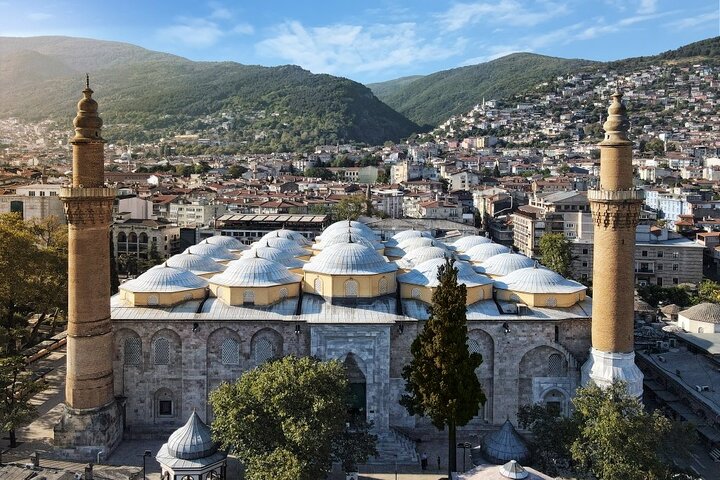
Ulucami Bahçe Düzenlemesi ve Dış Cephe İyileştirme Projesi
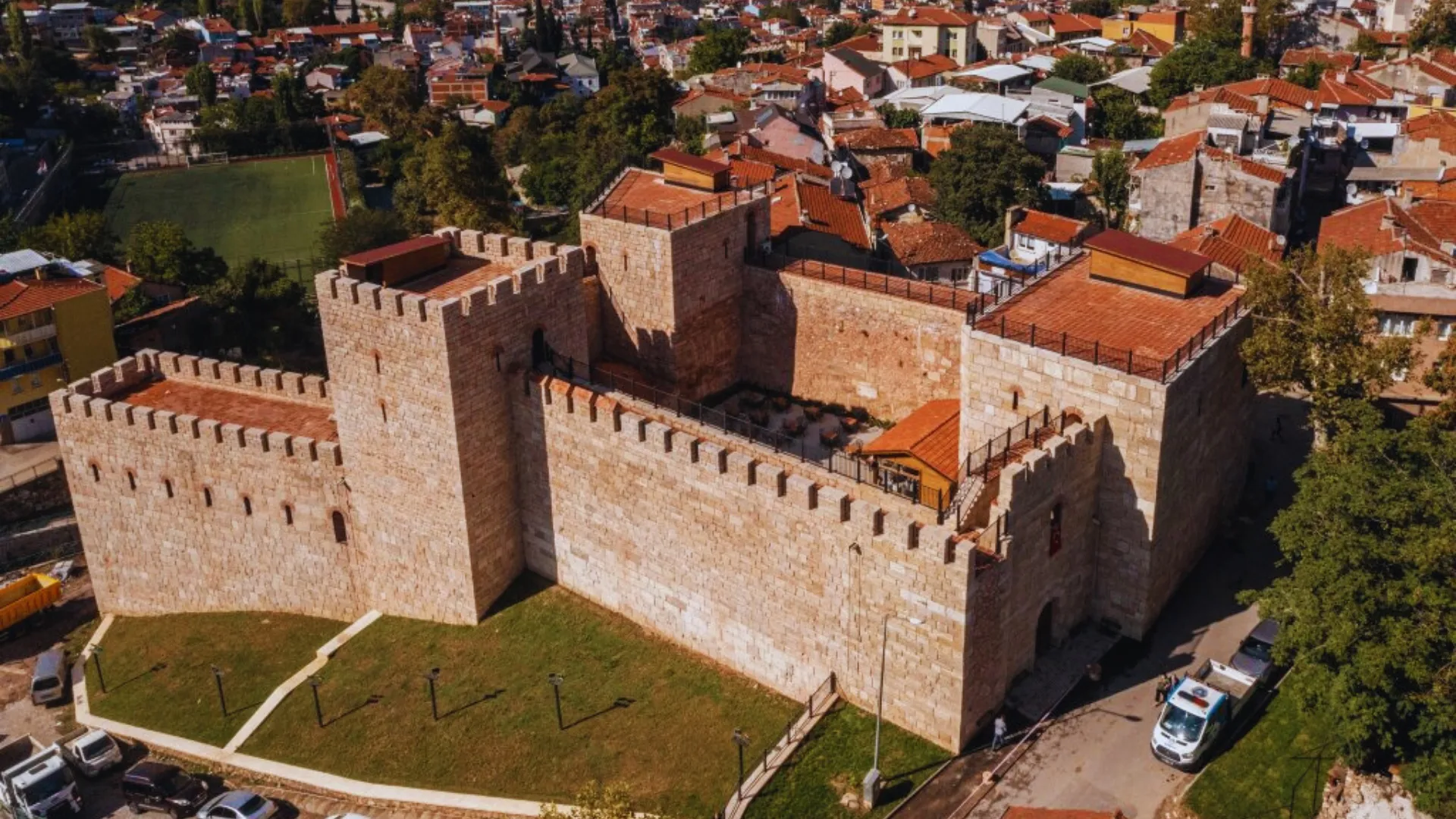
Zindankapı Restorasyonu ve Güncel Sanat Galerisi
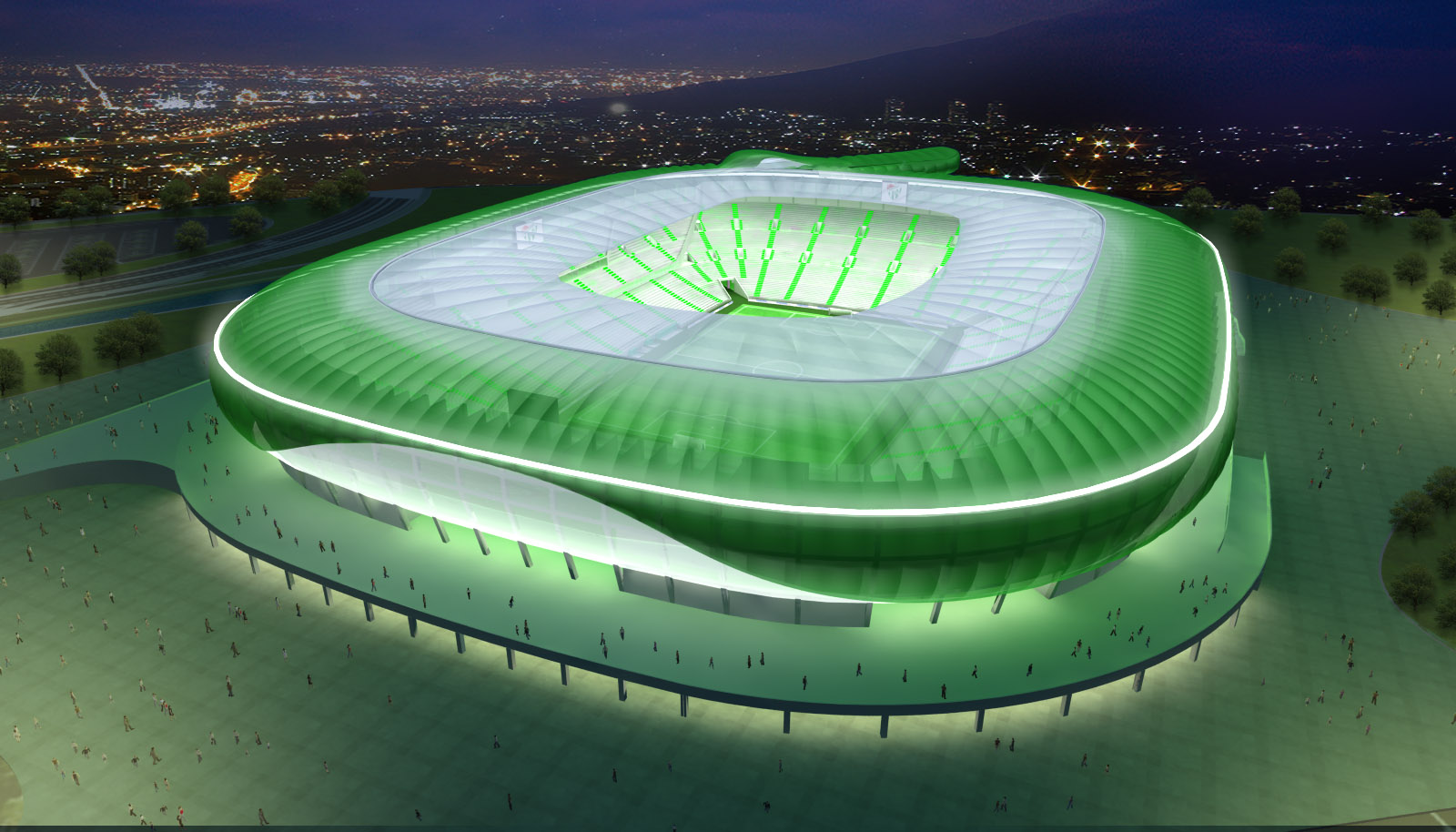
Bursaspor Timsah Arena Stadyumu

Gökdere Medresesi Restorasyonu ve Gökdere Kültür Sanat Merkezi
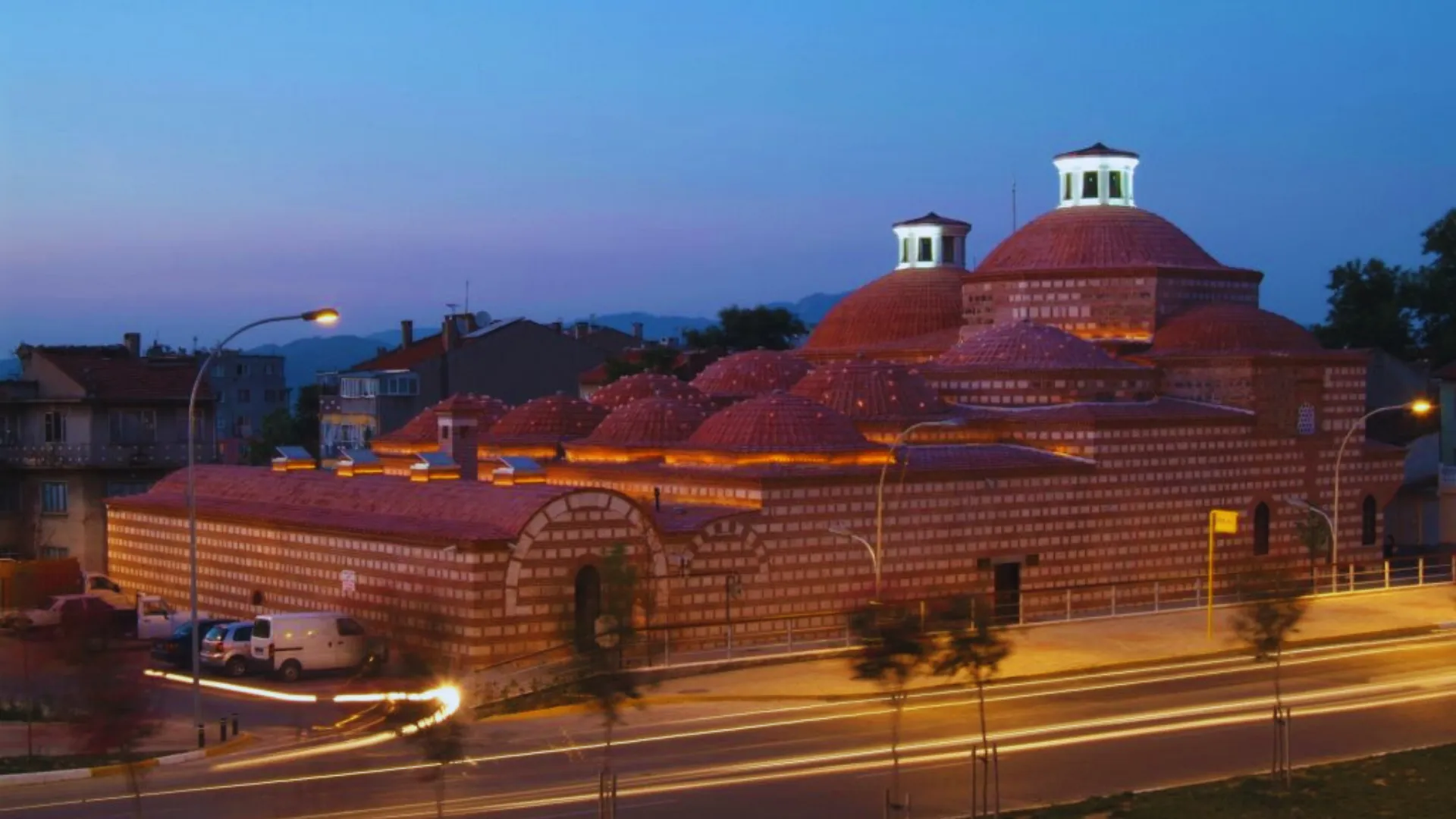
Ördekli Hamamı Restorasyonu ve Ördekli Kültür Merkezi

Uzun Çarşı Kuzey Cephesi Rölöve
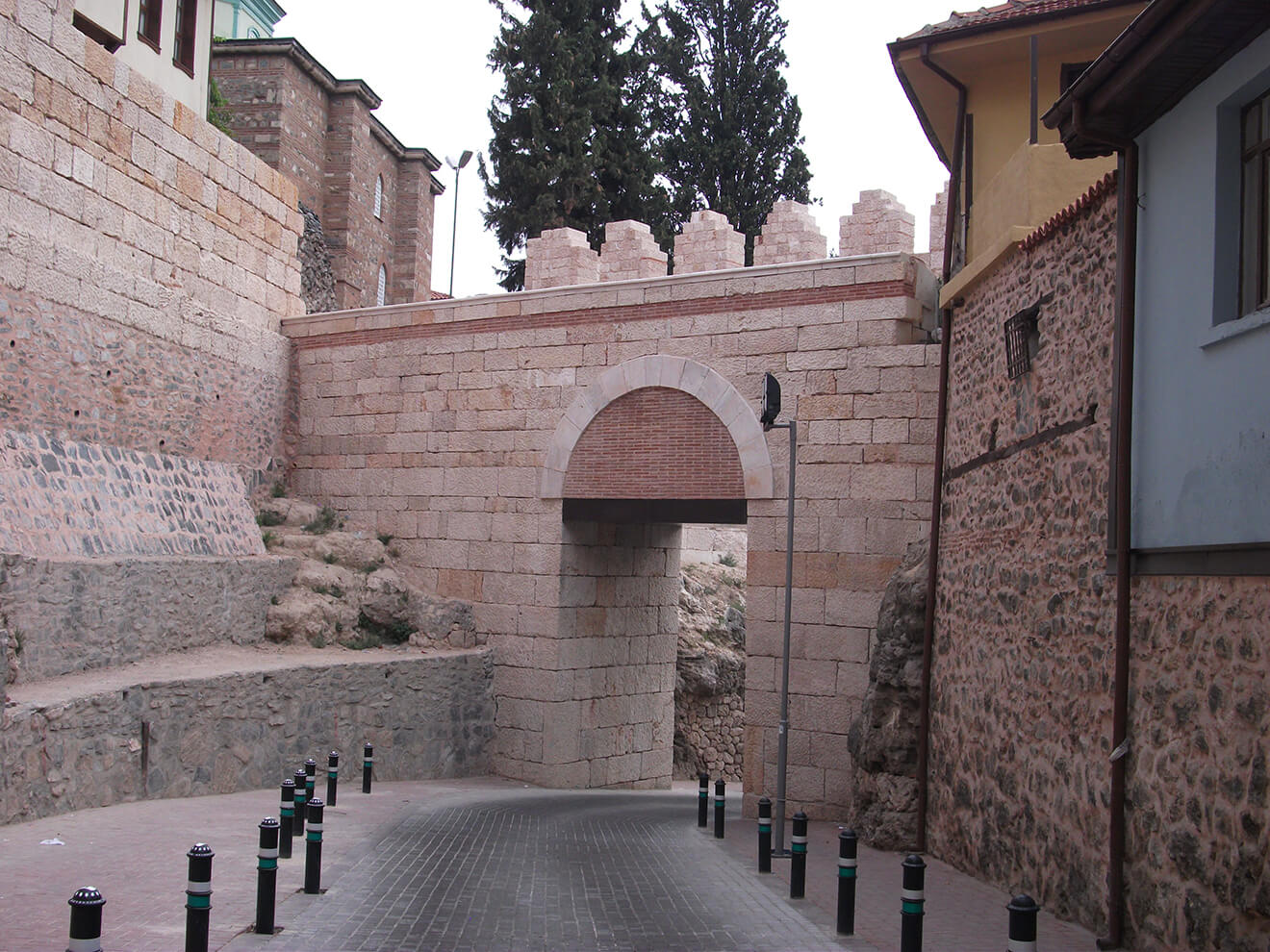
Yer Kapı Restorasyon Çalışması

1050 Konutlar Kentsel Dönüşüm Projesi

İntam Blokları Kentsel Dönüşüm Projesi

Sıcaksu Kentsel Dönüşüm Projesi

Muradiye Türbeleri Restorasyon ve Çevre Düzenleme Projesi

Bursa Surları Restorasyon ve Çevre Düzenlemesi
